

Guest post from Doctor Alison Alford, founder of the Pediatric Headache Center here in Richmond, VA
Warm weather is finally here! As we dig back out from over a year of sheltering in place and enjoy getting to see family and friends again, it is a good time to remember concussion prevention and awareness. We often think of concussions in athletes, but they can happen with any head injury and often without loss of consciousness. Common injuries this time of year are bicycle accidents, skateboards accidents and even sometimes minor falls. It is important that we do all we can to prevent concussions in the first place. All kids should wear properly fitted helmets and other safety gear when playing contact sports, biking, rollerblading, and skateboarding. We cannot prevent every concussion but we can do the best we can to keep our kids safe and minimize serious head trauma.
Unfortunately, kids will be kids and accidents will happen. So, it is essential for parents and coaches to recognize the common signs and symptoms of a concussion so that children can get prompt treatment and cognitive rest. It is important to monitor children even when they seem to feel okay because a concussion is a moving target and symptoms can sometimes develop hours later. When we miss or dismiss such complaints, we put children at risk for recurrence and more prolonged recovery.
Some of the signs and symptoms of concussions are as follows:
- Loss of consciousness
- Headache
- Blurred vision
- Difficulty walking or balance issues
- Confusion and slurred speech
- Decreased responsiveness
- Memory loss
- Vomiting
- Difficulty concentrating
- Mood swings
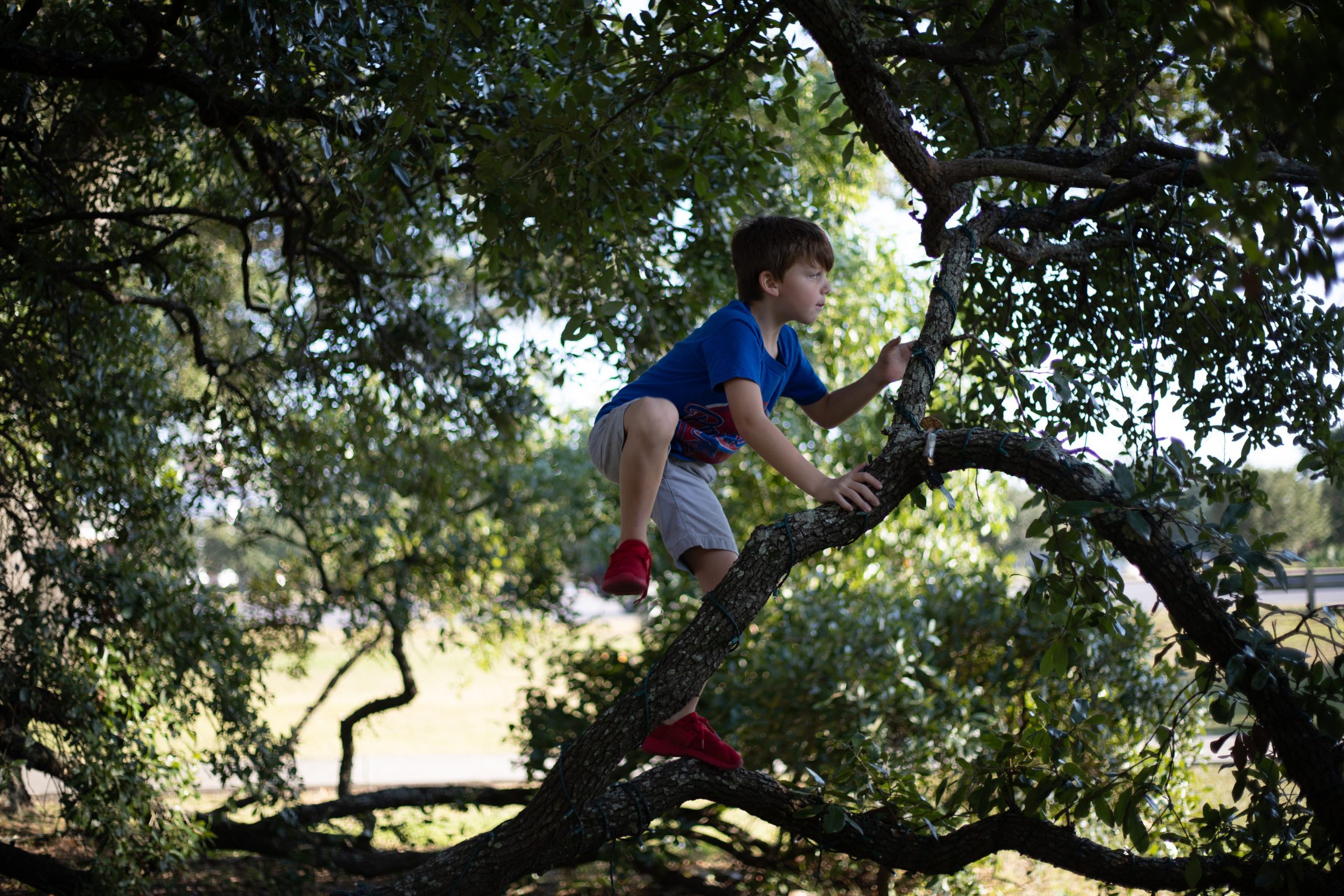
A concussion is a clinical diagnosis meaning it is often made based on the story you tell your doctor without any further studies. If your child has any of the above symptoms you should contact your pediatrician. They may not always order imaging studies like a CT scan depending upon your child’s physical exam. Children usually recover in a week or two following the injury. They should be removed from play or practice immediately to prevent further injury. It is not necessary to wake your child to check for symptoms even in the first 24 hours. Treatment with physical and mental rest will speed up recovery.
If symptoms persist or your pediatrician deems it relevant, you may be seen by a concussion specialist for further treatment such as prolonged rest and physical, occupation, vestibular or speech therapies. We at the Pediatric Headache Center of Richmond are able to help coordinate and manage all of the above aspects of treatment for our patients.


Meet a Mom: Richmond Local Mom and Founder of Vana Chupp Studio
Where are you originally from? Where'd you go to school & what's your current profession? I went to school in Chicago and received a masters in architecture. I currently own my own business, Vana Chupp Studio which I founded 13 years ago. I am the creative...

Drowning Prevention: 5 Things to Know
Pandemic or not, there are few bigger items on our list of “mom worries” than drowning. And with good reason – it’s the leading cause of accidental deaths in kids ages 1 to 4. But there are some really simple ways to keep your kids safer. We spoke to Adam...

Pina Colada Chia Seed Pops
This sweet treat from Beach Cities Moms is full of tropical flavors, and since it skips the rum, is a perfect dessert for the whole family. Piña Colada Chia Pops makes 6 popsicles Ingredients: 1 14-ounce can coconut milk ½ cup...