

Guest post from Doctor Alison Alford, founder of the Pediatric Headache Center here in Richmond, VA
Warm weather is finally here! As we dig back out from over a year of sheltering in place and enjoy getting to see family and friends again, it is a good time to remember concussion prevention and awareness. We often think of concussions in athletes, but they can happen with any head injury and often without loss of consciousness. Common injuries this time of year are bicycle accidents, skateboards accidents and even sometimes minor falls. It is important that we do all we can to prevent concussions in the first place. All kids should wear properly fitted helmets and other safety gear when playing contact sports, biking, rollerblading, and skateboarding. We cannot prevent every concussion but we can do the best we can to keep our kids safe and minimize serious head trauma.
Unfortunately, kids will be kids and accidents will happen. So, it is essential for parents and coaches to recognize the common signs and symptoms of a concussion so that children can get prompt treatment and cognitive rest. It is important to monitor children even when they seem to feel okay because a concussion is a moving target and symptoms can sometimes develop hours later. When we miss or dismiss such complaints, we put children at risk for recurrence and more prolonged recovery.
Some of the signs and symptoms of concussions are as follows:
- Loss of consciousness
- Headache
- Blurred vision
- Difficulty walking or balance issues
- Confusion and slurred speech
- Decreased responsiveness
- Memory loss
- Vomiting
- Difficulty concentrating
- Mood swings
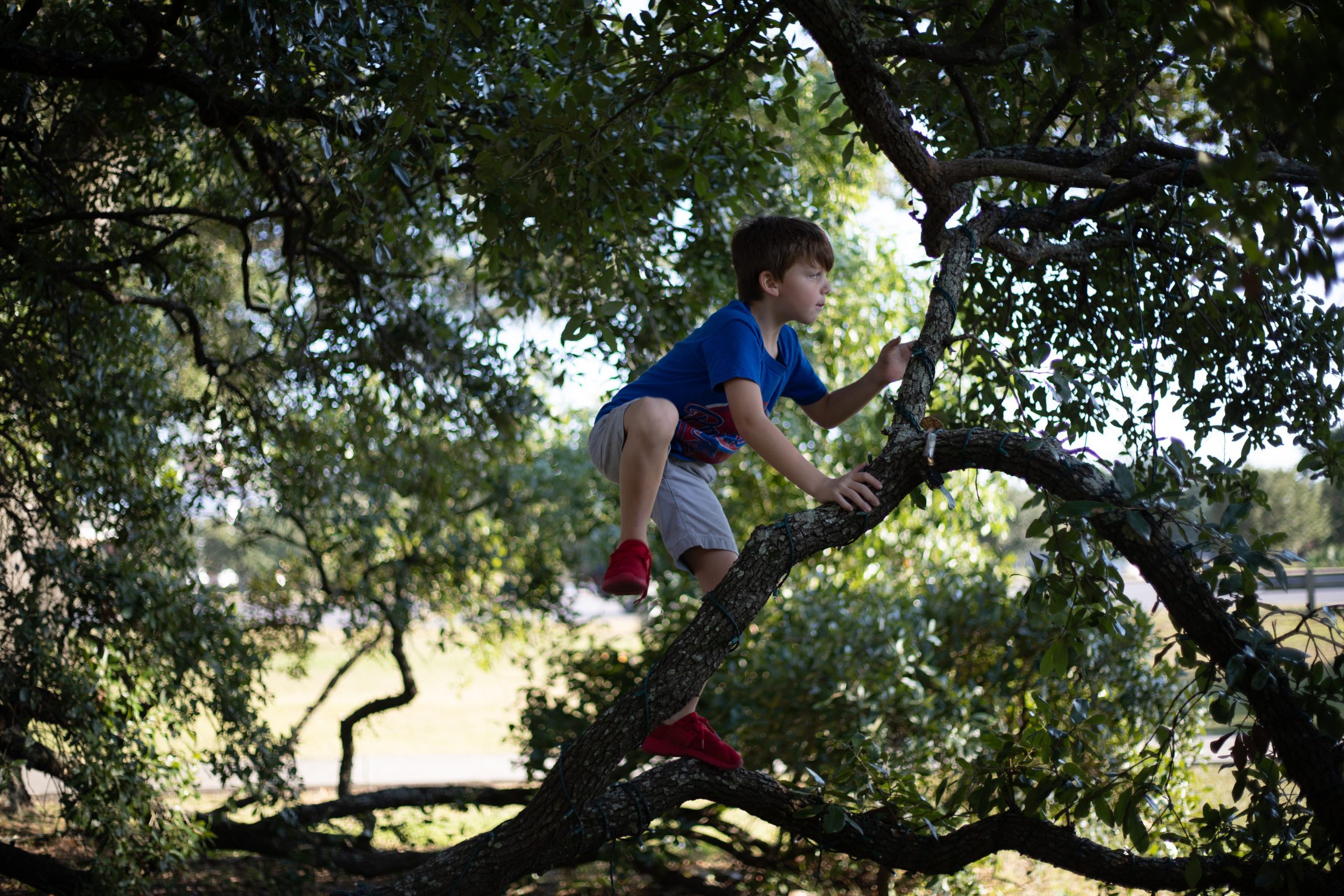
A concussion is a clinical diagnosis meaning it is often made based on the story you tell your doctor without any further studies. If your child has any of the above symptoms you should contact your pediatrician. They may not always order imaging studies like a CT scan depending upon your child’s physical exam. Children usually recover in a week or two following the injury. They should be removed from play or practice immediately to prevent further injury. It is not necessary to wake your child to check for symptoms even in the first 24 hours. Treatment with physical and mental rest will speed up recovery.
If symptoms persist or your pediatrician deems it relevant, you may be seen by a concussion specialist for further treatment such as prolonged rest and physical, occupation, vestibular or speech therapies. We at the Pediatric Headache Center of Richmond are able to help coordinate and manage all of the above aspects of treatment for our patients.


Bourbon Brown Butter Roasted Cauliflower
Although turkey gets a lot of attention on Thanksgiving—it is nicknamed "Turkey Day" after all—we have come to realize it's all about the sides. From brown sugar-laced sweet potatoes to green beans topped with fried onions, the comfort food dishes surrounding...

5 Essentials for a Fall Tablescape from Host to Perfection
This original story was contributed by The Local Moms Network Contributor, Host to Perfection! Fall is in full swing and probably the most desired season! The temperature starts to drop, the air becomes crisp, and people are slowly drawn into hibernation...

Cooking with Kids: The Silver Spoon Recipe for Risotto!
The Silver Spoon cookbook is a cult classic and The Silver Spoon for Children cookbook has also become a hit. Full of easy, healthy Italian meals that kids will love to cook and eat, it’s just been rereleased with updated recipes. This recipe for classic...